Encryption Developments Secure High-Stakes Mobile Poker Events and Live Dealer Platforms
Taylor Krause · Jun 5, 2026
Encryption Developments Secure High-Stakes Mobile Poker Events and Live Dealer Platforms
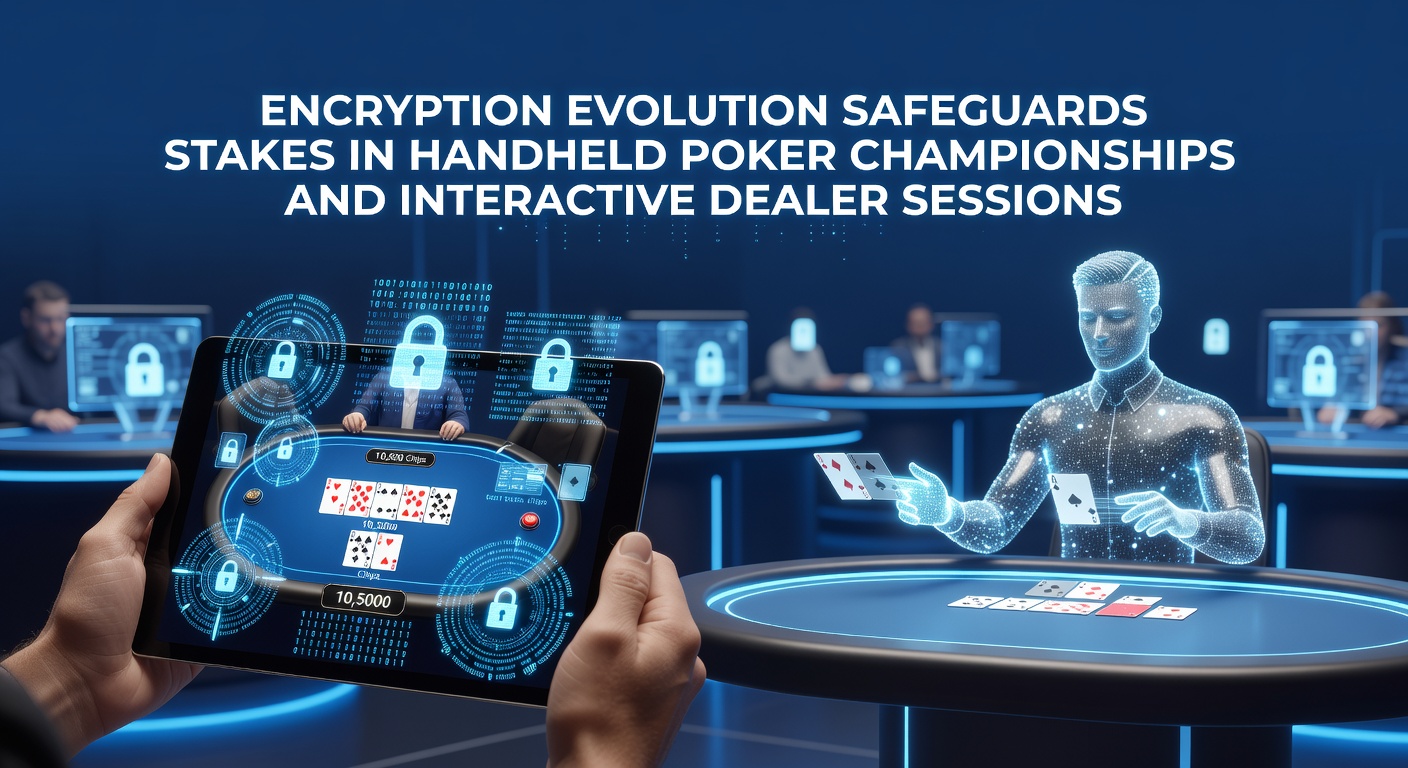
Data indicates encryption protocols have advanced considerably to protect financial stakes during handheld poker championships and interactive dealer sessions, with systems evolving from basic SSL implementations in the early 2000s to sophisticated TLS 1.3 standards that now dominate mobile platforms. Researchers discovered these upgrades reduce vulnerability windows during real-time data exchanges, while operators integrate them into apps that handle tournament entries and live table interactions simultaneously.
Early Encryption Foundations in Digital Card Gaming
Those who've studied this field know initial security measures relied on 128-bit keys that secured basic transactions but struggled against emerging threats as mobile adoption surged around 2015. Studies found operators began layering RSA algorithms with AES-256 encryption by 2018, creating dual protections that shielded player funds in portable poker events from interception attempts. And this shift coincided with the rise of interactive dealer sessions where video streams and bet placements demanded simultaneous safeguards.
Key Milestones in Protocol Upgrades
- 2010s adoption of SSL certificates for initial mobile casino rollouts
- Transition to TLS 1.2 in 2016 for enhanced handshake efficiency
- Implementation of forward secrecy features by 2020 to limit past data exposure
What's interesting is how these changes aligned with regulatory pushes from bodies like Canada's provincial gaming authorities, which required audited encryption audits for licensed platforms operating handheld tournaments. Observers note similar requirements emerged in Australian state frameworks by 2022, emphasizing end-to-end protections for live dealer interactions that cross jurisdictional lines.
Modern Applications in Handheld Poker Championships
Evidence suggests current encryption handles peak loads during major mobile poker events, where thousands of simultaneous connections process buy-ins and pot distributions without exposing sensitive details. Figures reveal many platforms now employ hybrid systems combining classical encryption with emerging post-quantum algorithms, preparing for threats that quantum computing could pose by late 2026. In June 2026 reports from industry tracking services highlighted several North American operators completing upgrades that integrate lattice-based cryptography into their poker apps.

Take one operator that integrated these measures after a 2024 audit revealed gaps in session token handling. That platform subsequently reported zero breaches across its handheld championship series while expanding interactive dealer offerings. Research indicates such outcomes stem from continuous key rotation protocols that refresh every few minutes during extended play sessions.
Protections for Interactive Dealer Sessions
Those monitoring live gaming trends know encryption also secures video feeds and chat functions in dealer-led tables, preventing manipulation of card shuffles or bet records. Data shows TLS 1.3 cuts latency by up to 30 percent compared to prior versions, allowing seamless mobile experiences without compromising integrity. Experts have observed European regulators, including those in Malta's gaming authority, mandating these standards for cross-border interactive sessions as of 2025.
But here's the thing: integration extends beyond transmission to storage, where encrypted databases hold historical tournament data and player profiles. Studies found organizations adopting homomorphic encryption techniques by early 2026, enabling computations on encrypted data without decryption steps that could create exposure points.
Regulatory Influences and Industry Standards
According to NIST publications, updated guidelines encourage quantum-resistant methods in financial applications, a directive several gaming jurisdictions have begun incorporating into licensing criteria. This approach affects both handheld poker events and dealer platforms operating in multiple regions. Another source from the European Gaming and Betting Association notes coordinated efforts among member states to harmonize encryption requirements for interactive services.
Observers note these frameworks often reference ISO standards for information security, which operators apply during system certifications. In practice this means regular penetration testing and algorithm reviews that adapt to new vulnerabilities as they surface.
Future Directions as of Mid-2026
Research indicates ongoing work on zero-knowledge proofs could further streamline verifications in poker tournaments, allowing stake confirmations without revealing full transaction details. People who've tracked these developments see potential for broader adoption in interactive dealer environments where real-time trust remains essential. Reports from June 2026 conference proceedings suggested pilot programs already underway in select Asian markets testing these methods alongside existing protocols.
Conclusion
Encryption evolution continues to shape security landscapes for handheld poker championships and interactive dealer sessions through layered protocols, regulatory alignment, and preparation for advanced computational threats. Data from multiple jurisdictions shows consistent application of updated standards that maintain transaction integrity across mobile networks. As platforms adapt these measures, the focus remains on balancing performance with protection in dynamic gaming environments.