Global Regulations Reshaping E-Wallet Links for Borderless Poker Events and Slot Network Evolutions
Quinn Wagner · Jul 1, 2026
Global Regulations Reshaping E-Wallet Links for Borderless Poker Events and Slot Network Evolutions
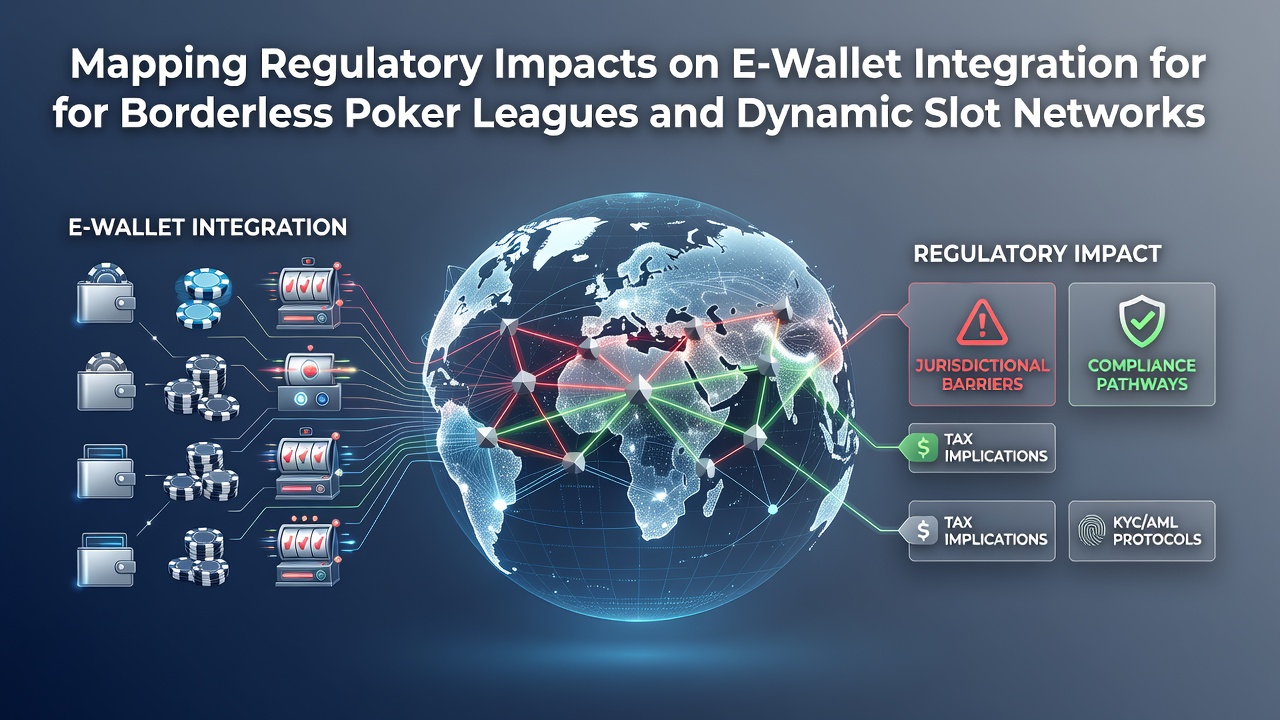
Regulatory frameworks across multiple jurisdictions continue to influence how electronic wallets integrate with transnational poker circuits and adaptive slot infrastructures, and observers note that these changes create layered compliance requirements for operators and payment providers alike. Data from industry reports in mid-2026 shows that cross-border transactions now face enhanced verification protocols in several key markets, which in turn affects processing speeds and user accessibility for participants in leagues spanning multiple continents.
Regional Policy Variations and Their Reach
European directives on digital payments have prompted operators to align wallet services with anti-money laundering directives that require real-time monitoring of transaction patterns, while similar measures in parts of Asia and the Americas add layers of geographic restrictions that limit certain wallet providers from processing funds for poker events hosted across borders. Researchers at institutions tracking gaming policy have documented how these rules shift the selection of approved payment rails, with some networks favoring providers that maintain local licenses to avoid disruptions in dynamic slot environments where rapid fund movements support player engagement.
Observers point to updates issued around July 2026 that refined reporting thresholds for high-volume transfers in poker leagues operating without fixed national boundaries, and these adjustments require platforms to embed automated compliance checks directly into wallet APIs. Such integrations reduce manual oversight yet demand ongoing software updates that keep pace with evolving standards from bodies like the Malta Gaming Authority and Australia's regulatory oversight groups.
Effects on Borderless Poker Structures
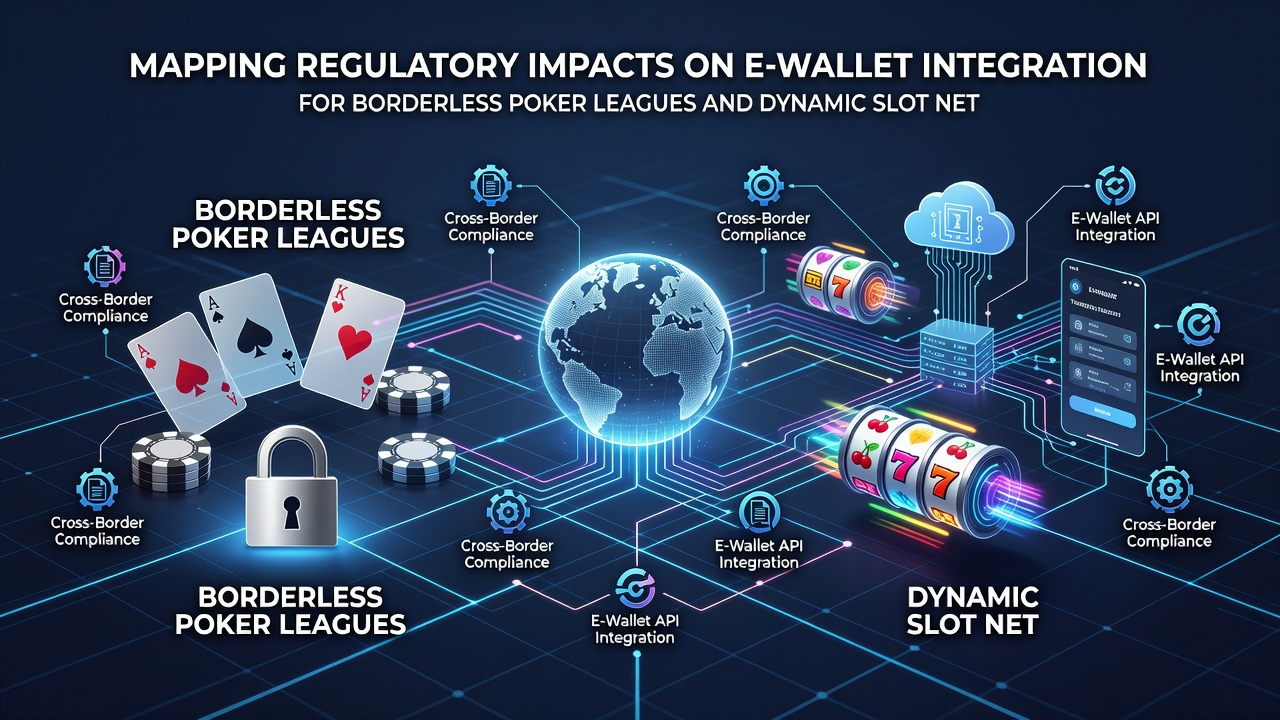
Borderless poker leagues rely on seamless wallet connectivity to handle entry fees and prize distributions that cross regulatory zones, and studies indicate that tightened rules on virtual asset transfers have led many organizers to adopt multi-jurisdictional wallet solutions capable of segmenting funds according to origin. This segmentation helps maintain compliance while preserving the fluid nature of international competitions where players from diverse regions participate simultaneously.
One documented case involves a league that restructured its payment flow after new verification mandates took effect, resulting in partnerships with providers that offer jurisdiction-specific ledgers; the change allowed continued operation without delays in prize payouts. Data indicates that such adaptations have become common as leagues seek to avoid penalties that could arise from mismatched records during audits.
Influence on Dynamic Slot Network Operations
Dynamic slot networks, characterized by interconnected reel systems that adjust volatility and payout structures in real time, face parallel pressures from regulations that govern instant deposit and withdrawal functions through e-wallets. Figures from payment analytics firms reveal that networks incorporating cross-format balancing now integrate wallet gateways equipped with geofencing capabilities to restrict access in regions with strict licensing rules, thereby preserving operational continuity across varied market conditions.
Operators have observed that compliance with updated standards often involves embedding transaction logging features that feed directly into regulatory dashboards, which reduces the risk of non-compliance during peak activity periods. These technical modifications support the scalability of slot ecosystems while aligning with broader financial oversight requirements that differ by territory.
Integration Challenges and Technical Responses
Mapping the cumulative impact of these regulations shows that e-wallet providers must navigate a patchwork of licensing, data localization, and consumer protection rules that affect both poker and slot applications. Technical teams frequently implement modular API designs that permit rapid reconfiguration when new policies emerge, such as those concerning cryptocurrency-backed wallets used in some transnational events.
Industry associations tracking these developments note that collaboration between payment firms and gaming platforms has increased, with joint working groups sharing best practices for maintaining service levels amid shifting rules. This cooperation helps minimize service interruptions that could otherwise affect player participation in events spanning multiple time zones and regulatory environments.
Conclusion
Regulatory mapping exercises continue to guide how e-wallet systems evolve within borderless poker leagues and dynamic slot networks, as operators respond to policy signals with targeted technical upgrades and partnership adjustments. Information compiled through mid-2026 illustrates a trend toward standardized compliance layers that accommodate both the flexibility demanded by international play and the oversight required by diverse jurisdictions, ensuring that payment infrastructures remain functional while meeting established legal parameters.