Kalshi Processes $40 Billion in 2026 World Cup Trades as Regulators Weigh In
Sam Baumann · Jul 17, 2026

Kalshi Processes $40 Billion in 2026 World Cup Trades as Regulators Weigh In
Data from the ongoing 2026 FIFA World Cup shows prediction market platform Kalshi handling roughly $40 billion in sports-related contracts since the tournament opened, a figure that dwarfs the approximately $4 billion handle projected for traditional sportsbooks such as DraftKings and FanDuel across all 104 matches; the disparity has drawn attention from state officials and industry groups who track volume through public filings and exchange reports.
How Kalshi Positions Itself Under Federal Oversight
Kalshi maintains that its contracts fall under the Commodity Futures Trading Commission as federally regulated financial derivatives rather than state-licensed sports wagers, a classification that lets the platform sidestep state gaming taxes in multiple jurisdictions while setting the minimum age at 18 in certain markets and continuing operations in states that restrict or prohibit traditional sports betting; the approach relies on CFTC approval of event contracts that settle on verifiable outcomes such as match results or tournament milestones.
Figures released in mid-July 2026 indicate that daily contract volume on Kalshi surged after the group stage began, with users executing trades on everything from individual game margins to overall group standings, and the platform's compliance team points to existing CFTC rules that govern similar event derivatives in other sectors.
Industry Response and Emerging Legal Actions
Traditional sports betting operators have filed complaints with state attorneys general and gaming commissions, arguing that Kalshi's model creates an uneven competitive field because it avoids the licensing fees and tax obligations imposed on state-regulated sportsbooks; several trade associations have asked regulators to clarify whether CFTC oversight preempts state authority when contracts involve athletic competitions.
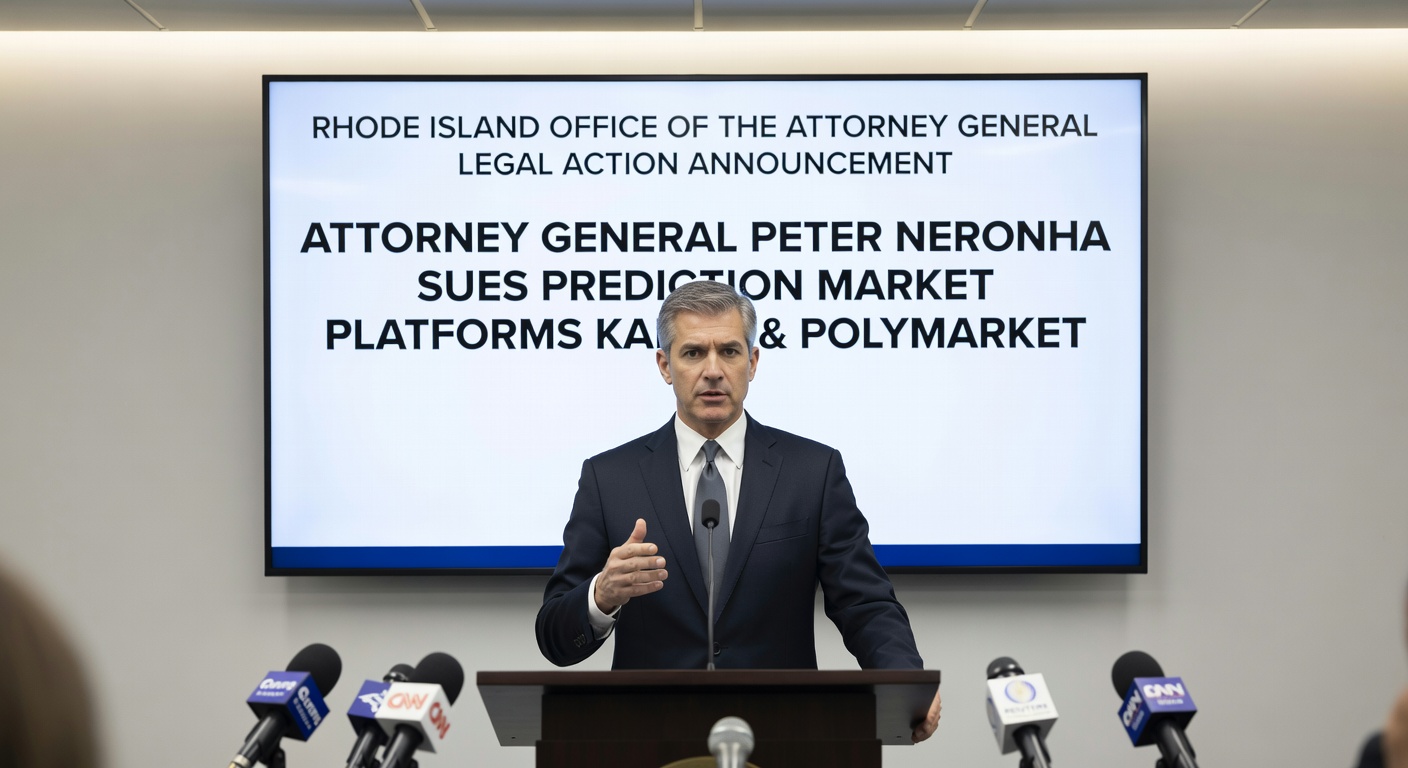
Court dockets in at least three states now list cases that challenge Kalshi's ability to offer contracts on World Cup matches, adn those filings cite both tax revenue concerns and questions about whether the contracts constitute unauthorized gambling under state law; Kalshi has responded with motions that restate its CFTC registration and argue that federal derivatives rules control the activity.
Taxation and Age Requirements Under Scrutiny
State revenue departments have begun examining whether contracts traded on Kalshi should trigger gaming taxes even when the platform operates under federal derivatives authority, and preliminary estimates circulated among lawmakers suggest that several states could see reduced collections if volume continues to shift toward prediction markets; teh debate centers on how contracts that reference sports outcomes differ from traditional point-spread or moneyline bets.
Age verification procedures at Kalshi currently allow 18-year-old users in jurisdictions where the platform operates under its federal charter, whereas most state sportsbooks enforce a 21-year threshold, and legislators in two states have introduced bills that would align prediction market age limits with existing sports betting statutes.
Market Data and Volume Comparisons
Analytics based on Kalshi's public data show that average daily notional value on World Cup contracts exceeded $1.2 billion during the first week of July 2026, while comparable sportsbooks reported combined daily handles below $150 million for the same period; the gap reflects both the broader geographic reach of the prediction market platform and the absence of per-state licensing restrictions that limit traditional operators.
Observers tracking the tournament note that Kalshi contracts have attracted participation from institutional traders who already use CFTC-regulated venues for other event derivatives, creating a liquidity pool that differs from the retail-heavy customer base at most sportsbooks.
Regulatory Outlook as Tournament Continues
Federal and state agencies continue to review whether existing CFTC guidance adequately covers sports-linked event contracts or whether new rulemaking is required, and hearings scheduled for late July 2026 are expected to examine the tax treatment of prediction market volume alongside questions of consumer protection and market integrity; the outcome of those sessions will shape how platforms like Kalshi interact with state regulatory frameworks for the remainder of the tournament and beyond.
Conclusion
The 2026 FIFA World Cup has placed Kalshi at the center of an ongoing discussion about the boundary between federally regulated derivatives and state-controlled sports wagering, with $40 billion in processed volume highlighting both the scale of activity and the regulatory questions that remain unresolved; court rulings and agency decisions expected in the coming months will determine whether the current operational model continues or requires adjustment to align with evolving state and federal standards.