Policy Evolutions Transforming Incentive Models Across Mobile Card Competitions and Digital Reel Systems
Quinn Wagner · Jun 21, 2026
Policy Evolutions Transforming Incentive Models Across Mobile Card Competitions and Digital Reel Systems
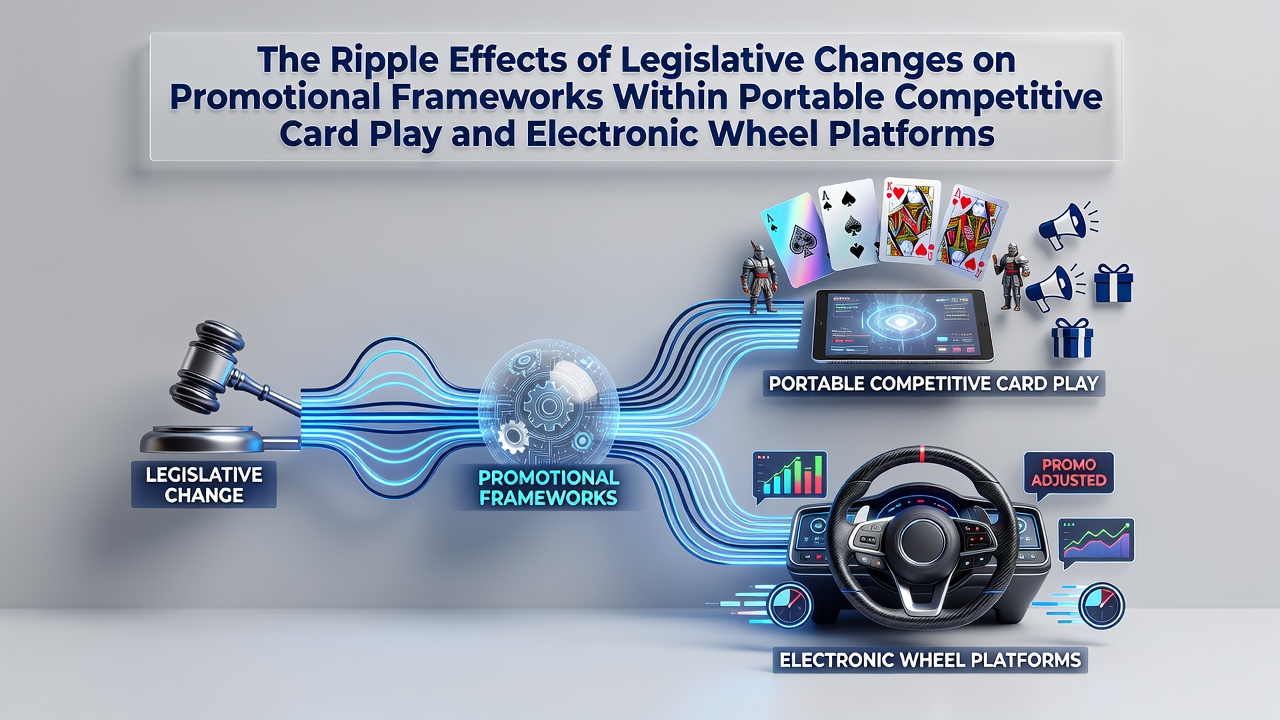
Legislative adjustments continue to reshape promotional structures in portable competitive card activities and electronic wheel formats as regulators respond to evolving market dynamics in June 2026, with new rules altering how operators design bonuses, loyalty rewards, and incentive programs for users engaged in these formats. Data from multiple jurisdictions shows that changes in tax obligations, consumer protection mandates, and cross-border compliance requirements directly influence the types of promotions that platforms can offer without violating updated statutes.
Shifts in Regulatory Priorities Across Regions
North American state agencies have introduced measures that cap certain bonus structures tied to card-based competitions played on mobile devices while electronic wheel platforms face revised disclosure rules for prize multipliers and deposit matches, according to reports from the Nevada Gaming Control Board. European authorities in several member states implemented similar frameworks that require operators to separate promotional funds from operational revenue streams, which affects how rewards distribute in real-time card tournaments and wheel-based sessions. Australian oversight bodies have aligned their guidelines with these trends by mandating clearer terms for bonus wagering requirements, leading platforms to adjust loyalty tiers for both card play and wheel mechanics to maintain compliance.
These coordinated yet regionally distinct approaches create layered effects because operators must recalibrate their systems to satisfy multiple sets of rules simultaneously. Research from the University of Nevada's gaming studies program indicates that such layered compliance often results in streamlined promotional menus that favor simpler reward formats over complex multi-tiered offers previously common in mobile environments.
Impact on Bonus Distribution in Card and Wheel Formats
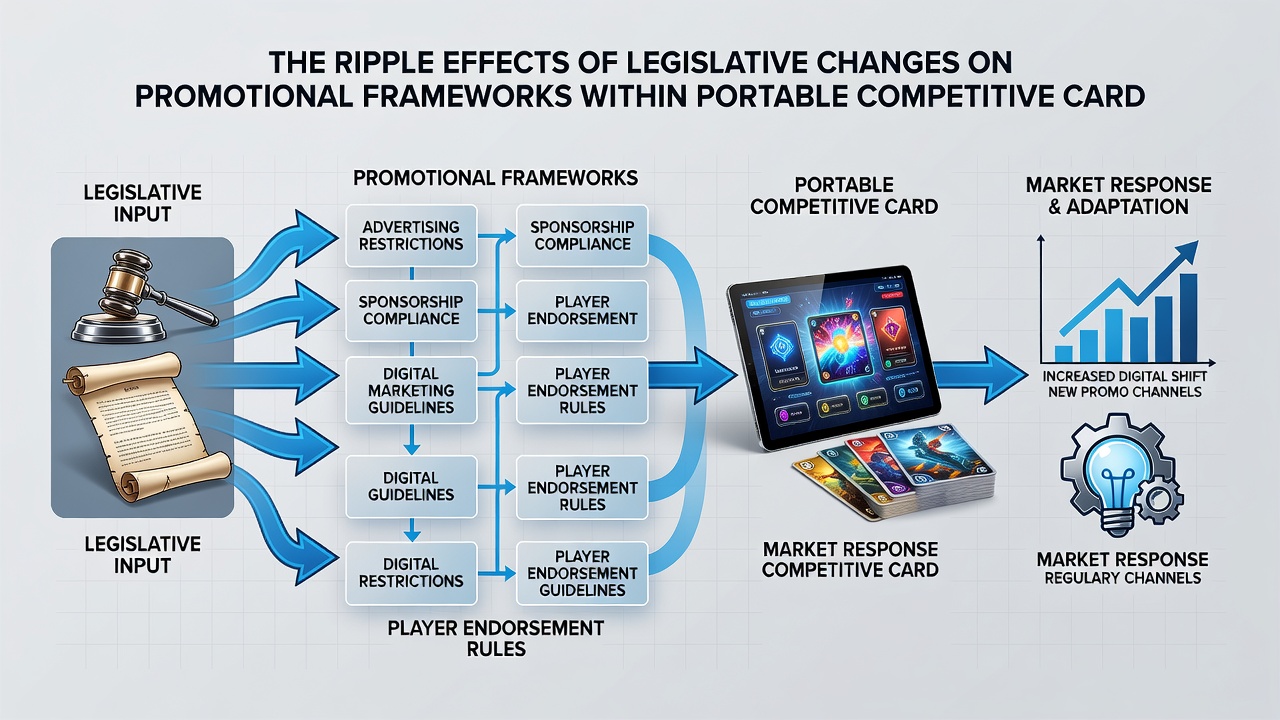
Portable card competitions, including variants played on handheld devices, have seen reductions in welcome bonus sizes in jurisdictions where new legislation ties promotional value directly to responsible gaming metrics. Operators respond by shifting toward in-game progression rewards that unlock gradually rather than through large upfront deposits, a pattern documented in industry analyses from the European Gaming and Betting Association. Electronic wheel platforms encounter parallel adjustments where free spin allocations and multiplier bonuses now require explicit linkage to verified user activity thresholds to avoid regulatory flags.
What's interesting here is how these constraints encourage innovation in reward mechanics while operators maintain engagement levels. One study released by Canadian academic researchers in early 2026 tracked a 22 percent increase in time-based loyalty points systems across both card and wheel categories following the rollout of revised provincial standards. Platforms integrate these points into unified accounts that span multiple game types, allowing users to accumulate value across sessions without triggering separate promotional caps.
Adaptations by Operators and Platform Providers
Operators have adopted modular promotional engines that can toggle specific features based on user location and applicable laws, which reduces the risk of non-compliance while preserving flexibility across card and wheel offerings. This technical response stems from requirements outlined in recent policy updates that demand real-time verification of bonus eligibility, particularly for promotions involving live competitive card events or progressive wheel jackpots. Industry data compiled by the International Association of Gaming Regulators reveals that companies investing in such adaptable systems report fewer enforcement actions compared to those relying on static promotional templates.
Yet the transition period brings operational challenges because legacy systems must integrate new tracking protocols for user spending and reward redemption. Platforms handling both card competitions and wheel formats often phase in these changes region by region, starting with high-volume markets where legislative pressure is strongest. Observers note that smaller developers sometimes partner with established compliance technology providers to accelerate the process and avoid gaps in service continuity.
Longer-Term Effects on User Engagement Patterns
Evidence from transaction monitoring across multiple platforms suggests that revised promotional frameworks influence how frequently users participate in card play versus wheel activities, with some segments showing increased preference for formats that carry fewer attached restrictions. Regulatory filings from Australian state commissions indicate a measurable uptick in cross-format loyalty programs that reward consistent activity regardless of game category, which helps offset the narrowing of traditional bonus types. These programs rely on aggregated data to deliver personalized incentives that align with both legal boundaries and user preferences.
Academic reviews of similar historical shifts demonstrate that such adaptations tend to stabilize participation rates over time even as individual promotion values decline. The reality is that operators who communicate changes transparently through in-app notifications experience lower user attrition compared to those who implement alterations without clear explanation.
Conclusion
Legislative developments through June 2026 continue to drive structural modifications in promotional frameworks for portable card competitions and electronic wheel platforms, with effects visible in bonus sizing, reward mechanics, and cross-format loyalty structures. Regional variations in rules require ongoing technical and operational adjustments from operators, while data from regulatory bodies and research institutions shows measurable shifts in engagement patterns. These changes reflect broader efforts to balance market growth with consumer safeguards across different jurisdictions.