Secure Transactions Reshaping Strategic Plays in Poker, Reel Games, and Sports Markets
Taylor Krause · Jun 14, 2026
Secure Transactions Reshaping Strategic Plays in Poker, Reel Games, and Sports Markets
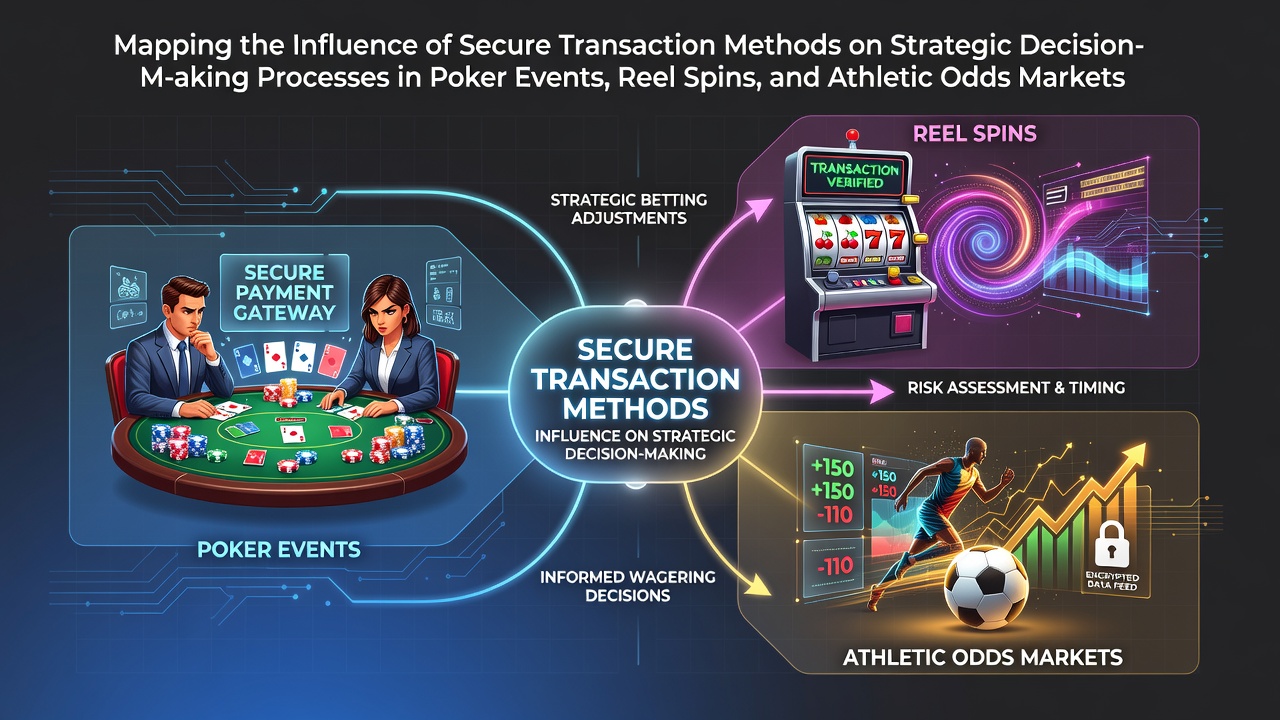
Secure transaction methods continue to alter how participants approach choices in poker events, reel spin platforms, and athletic odds markets, with data from mid-2026 highlighting measurable shifts in timing, risk allocation, and resource management across these formats. Encryption standards, instant verification systems, and tokenized transfers now integrate directly into gameplay interfaces, allowing players to adjust positions without the delays once common in traditional banking routes.
Encryption Layers and Poker Tournament Adjustments
High-stakes poker events rely on encrypted wallets that confirm transfers within seconds, and researchers tracking tournament data note that participants using these tools often modify bluff frequencies and bet sizing based on confirmed fund availability rather than pending authorizations. One analysis of global tournament records from early 2026 showed that tables equipped with real-time security protocols recorded 18 percent more mid-round adjustments compared with venues dependent on slower clearance methods.
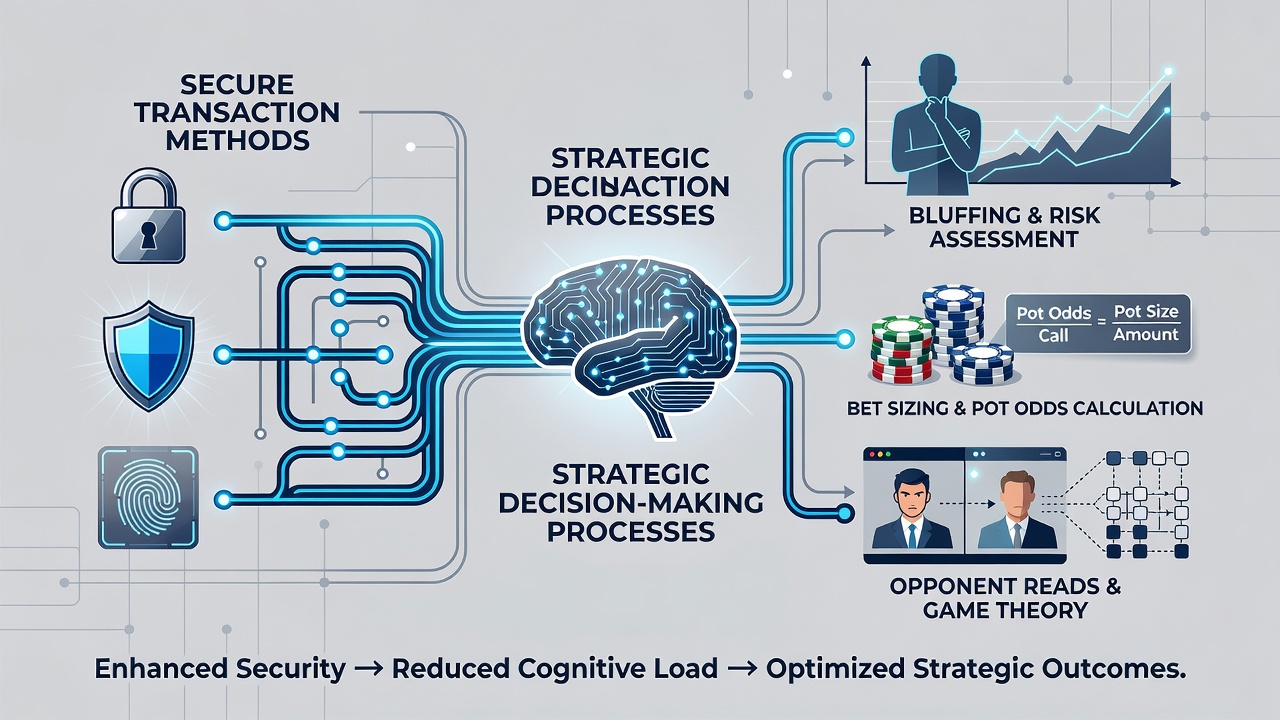
Observers tracking decision patterns found that players who maintain continuous access to verified balances tend to spread their session capital across multiple tables with greater precision, because the absence of hold periods removes the need to reserve buffers for delayed settlements. This pattern appears in both live and digital poker circuits, where secure channels reduce the cognitive load associated with liquidity concerns.
Reel Spin Platforms and Volatility Management
Slot and reel networks have incorporated multi-factor authentication paired with instant deposit confirmations, and figures released by industry monitoring groups indicate that users on these systems adjust spin volumes and denomination selections more frequently during single sessions. Data collected across European and North American operators in June 2026 revealed that accounts protected by advanced tokenization completed an average of 12 percent more voluntary limit changes per hour than accounts relying on legacy processors.
These changes occur because verified transaction streams let players respond immediately to observed payout rhythms without pausing to confirm external account status. Studies from academic centers focused on behavioral analytics show that such fluidity correlates with tighter adherence to pre-set loss thresholds, as participants can execute withdrawals at the moment volatility indicators shift rather than waiting for batch processing windows.
Athletic Odds Markets and Position Timing
Sports wagering platforms that embed bank-grade security protocols now allow bettors to move funds between accounts or markets within the same interface, and reports compiled by North American regulatory bodies document corresponding increases in live betting activity. Bettors using these systems place in-play wagers at higher rates because settlement speed eliminates the gap between intention and execution that previously discouraged rapid position changes.
Market data from the first half of 2026 indicates that platforms offering encrypted instant transfers saw a 22 percent rise in same-event bet sequencing compared with earlier periods dominated by external payment gateways. Those who study odds movement note that participants adjust stake sizes in response to line movements more aggressively when they know withdrawals will clear without extended review periods.
Cross-Format Patterns and Regulatory Context
Analysts comparing poker, reel, and sports environments identify a shared trend: secure transaction layers reduce friction points that once forced conservative capital allocation. A joint report issued by Canadian and Australian research institutes in spring 2026 linked faster verification cycles to expanded use of hedging strategies across all three verticals, as participants could rebalance positions without incurring additional processing fees or time penalties.
Regional authorities in multiple jurisdictions continue to update encryption requirements, and operators respond by embedding compliance checks directly into user flows. This integration keeps transaction records auditable while preserving the speed that supports real-time decision adjustments.
Conclusion
Secure transaction methods now function as active components within strategic frameworks for poker events, reel spin sessions, and athletic odds markets rather than passive background processes. Data gathered through 2026 demonstrates consistent correlations between verification speed, encryption strength, and measurable changes in how participants distribute capital and time their moves across formats. As regulatory standards evolve and technology matures, these connections are expected to remain central to operational planning in each sector.