The Regulatory Maze: Payment Solutions for Mobile Live Gaming Across Borders
Yara Wagner · May 17, 2026
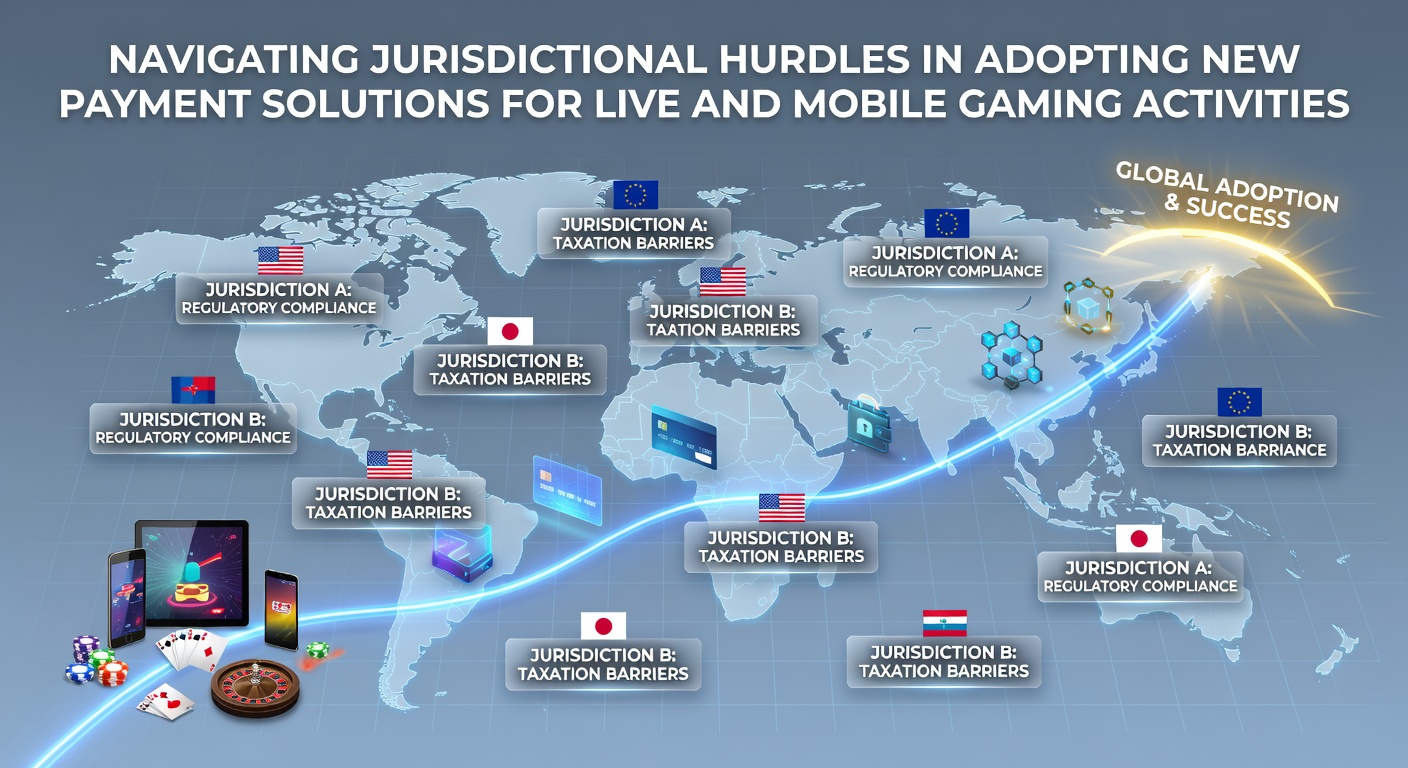
The Regulatory Maze: Payment Solutions for Mobile Live Gaming Across Borders
Payment innovations continue to reshape live dealer experiences and mobile gaming sessions yet operators face an intricate web of regional rules that dictate which technologies can process transactions and under what conditions and these frameworks often shift based on local interpretations of financial crime prevention and consumer protection statutes.
Researchers at various academic institutions have documented how differences in licensing requirements create friction when platforms attempt to roll out digital wallets or blockchain-based options across multiple territories and data from industry analyses show that compliance costs can rise sharply when a single payment method must satisfy conflicting standards in neighboring jurisdictions.
Mapping the Landscape of Regional Rules
Live gaming platforms that stream table games to mobile devices encounter distinct hurdles in places where gambling activities fall under either federal oversight or fragmented state and provincial authorities and experts note that payment processors must verify whether a jurisdiction permits real-money transfers through specific channels before integrating tools such as instant bank transfers or tokenized card systems.
Observers who track policy developments point out that May 2026 brought updated guidance from several European national regulators clarifying how operators should handle cross-border player funds while similar moves in parts of Asia and Latin America introduced new reporting thresholds for high-volume mobile transactions and these changes force companies to adjust their technical infrastructure on relatively short timelines.
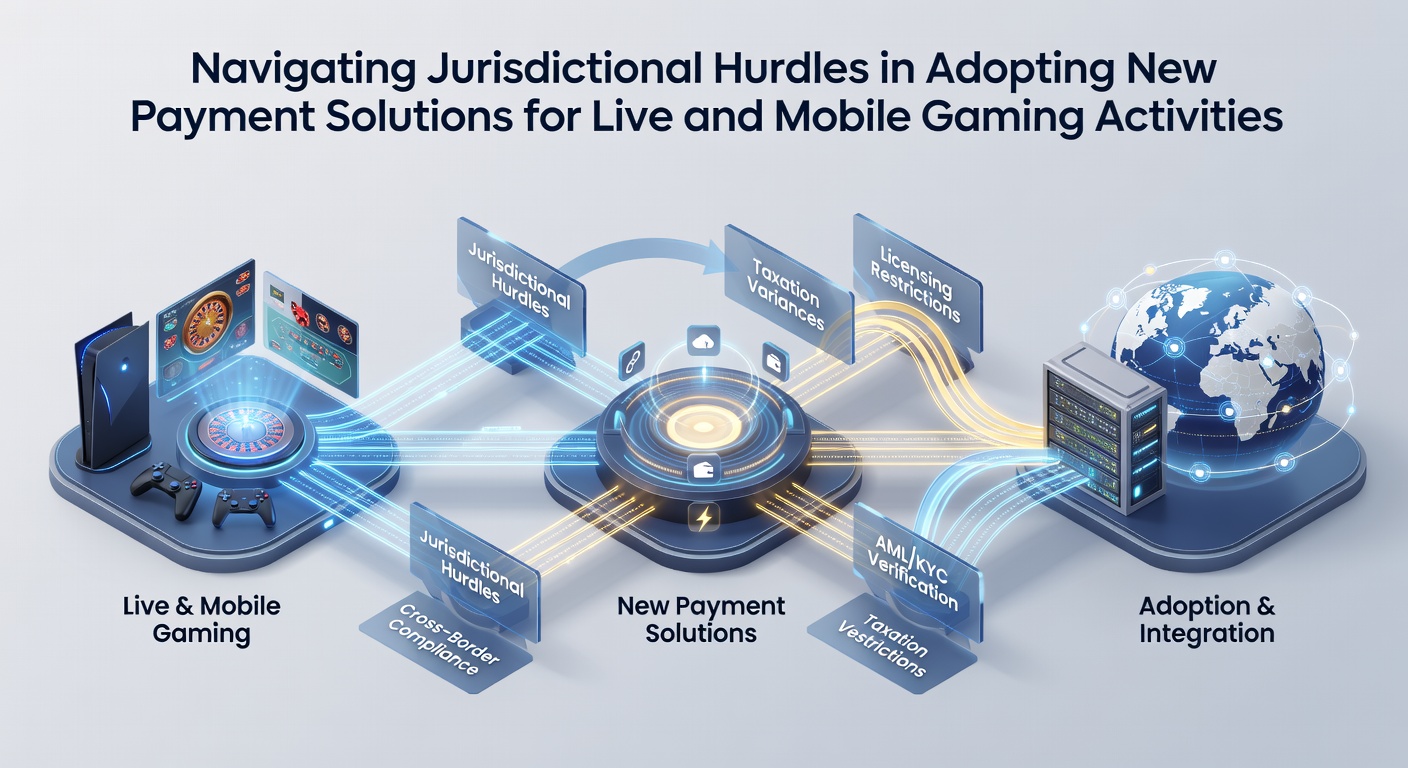
Key Compliance Layers Operators Encounter
- Anti-money laundering verification steps that vary in depth and frequency by region
- Age and identity checks tied to local data protection statutes
- Currency controls that restrict certain electronic transfers in emerging markets
- Tax reporting obligations linked directly to payment method choice
Companies that succeed in these environments often rely on modular payment gateways capable of toggling features according to the player location detected at login and studies from research organizations indicate that such adaptable systems reduce approval delays by significant margins compared with rigid single-solution approaches.
Adapting Emerging Technologies to Local Mandates
Blockchain solutions and decentralized finance instruments offer speed advantages for live betting settlements yet they trigger heightened scrutiny in jurisdictions that have not yet issued clear digital asset guidelines and figures from recent market reports reveal slower adoption rates in those areas despite strong player demand for faster mobile withdrawals.
One operator that expanded its mobile live casino offerings across three continents discovered that partnering with regionally licensed acquirers allowed it to bypass some direct regulatory friction while maintaining transaction velocity and similar patterns appear in case examples shared at industry conferences where participants describe iterative testing of payment flows before full market launches.
What's interesting is how regulators increasingly require operators to demonstrate that new payment rails incorporate real-time monitoring for suspicious activity patterns and according to information published by the American Gaming Association several U.S. states refined their technical standards in early 2026 to include mandatory audit trails for every mobile deposit processed through third-party services.
Strategic Approaches That Reduce Friction
Legal teams and product managers frequently collaborate on jurisdiction-specific playbooks that outline approved payment combinations for each target market and these documents incorporate feedback loops from ongoing dialogue with regulators so that updates can be implemented without disrupting player sessions.
Evidence from consulting projects shows that pre-launch sandbox testing with simulated regulatory scenarios helps identify potential roadblocks early and platforms that invest in such preparation often secure faster approvals when rolling out innovations like biometric-authenticated mobile wallets or integrated loyalty currency conversions.
Meanwhile organizations such as the European Gaming and Betting Association publish periodic summaries that compare evolving payment rules across member states and operators who consult these resources report improved ability to forecast compliance needs several quarters ahead.
Conclusion
Navigating these overlapping requirements demands continuous monitoring of legislative calendars and technical standards because even small amendments can affect entire payment ecosystems supporting live and mobile gaming and companies that treat regulatory mapping as an ongoing operational function rather than a one-time project position themselves to introduce new solutions more reliably across borders.