Tracing Behavioral Data in Blended Sports Wagering and Table Game Systems
Yara Wagner · Aug 16, 2026
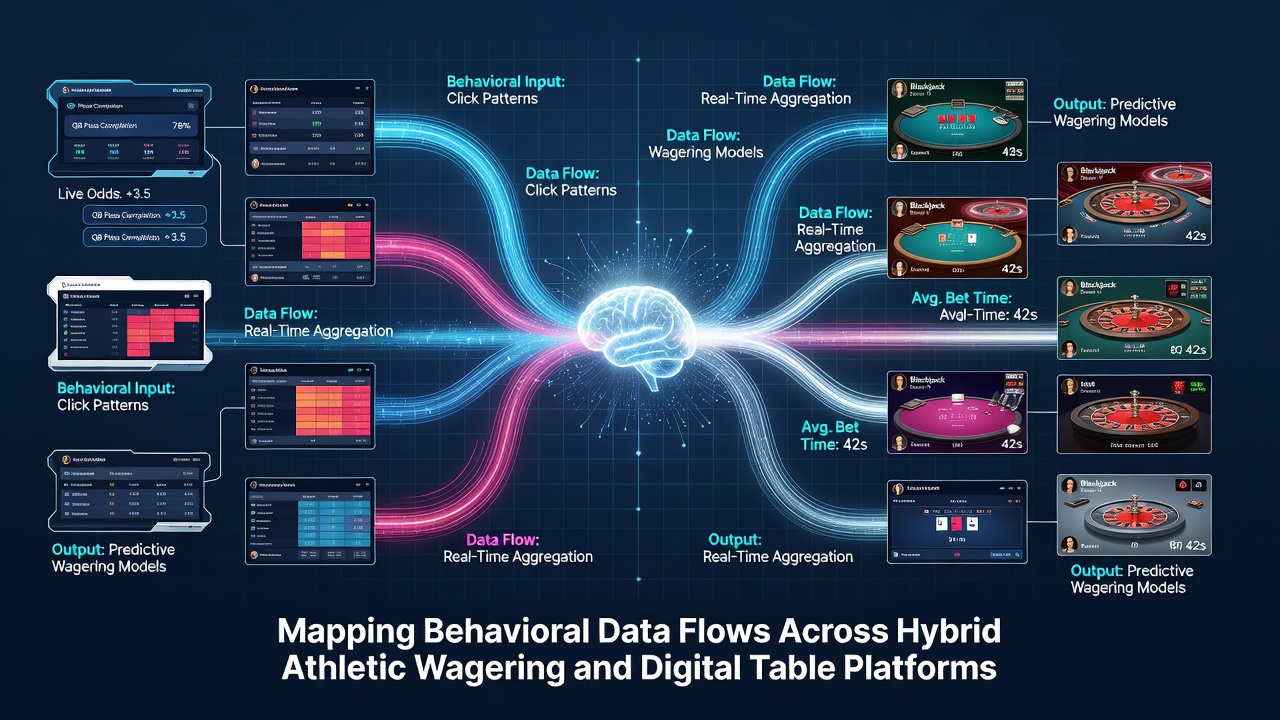
Tracing Behavioral Data in Blended Sports Wagering and Table Game Systems
Platforms that combine athletic wagering with digital table experiences generate extensive behavioral datasets as users shift between sports odds selection and card-based competitions, and researchers track these transitions to identify consistent patterns in deposit timing, session duration, and risk tolerance levels. Data collection begins at the point of user registration where platforms log initial preferences for specific sports leagues alongside choices in table variants such as blackjack or poker, then continues through real-time monitoring of navigation sequences that connect live event betting to virtual dealer sessions.
Core Mechanisms of Data Capture
Operators employ server-side logging systems that record every click, wager placement, and withdrawal request while timestamping each action to create chronological maps of activity across both athletic and table environments, and these logs feed into centralized databases that apply clustering algorithms to group similar user profiles. Studies conducted by academic institutions reveal that mobile sessions lasting under fifteen minutes often cluster around quick sports prop bets followed by brief table game trials, whereas extended sessions exceeding forty-five minutes show repeated cycling between live odds updates and multi-hand table play.
Geolocation data adds another layer when users access platforms from varying regions, and analysts note correlations between location changes and shifts in preferred game types during August 2026 when major sports calendars overlapped with increased table tournament schedules. Payment method selections further enrich the datasets because credit card deposits frequently precede larger table stakes while e-wallet transfers align more closely with smaller, repeated sports wagers.
Integration Across Hybrid Environments
Hybrid systems merge athletic wagering engines with table game servers through shared application programming interfaces that allow seamless movement of user balances and preference profiles, yet the data flows reveal friction points where users pause or abandon sessions during transitions. Observers at industry research centers have documented that successful mappings require synchronization of odds feeds with table outcome generators so that behavioral models can predict when a user who just placed a basketball parlay will switch to roulette spins.
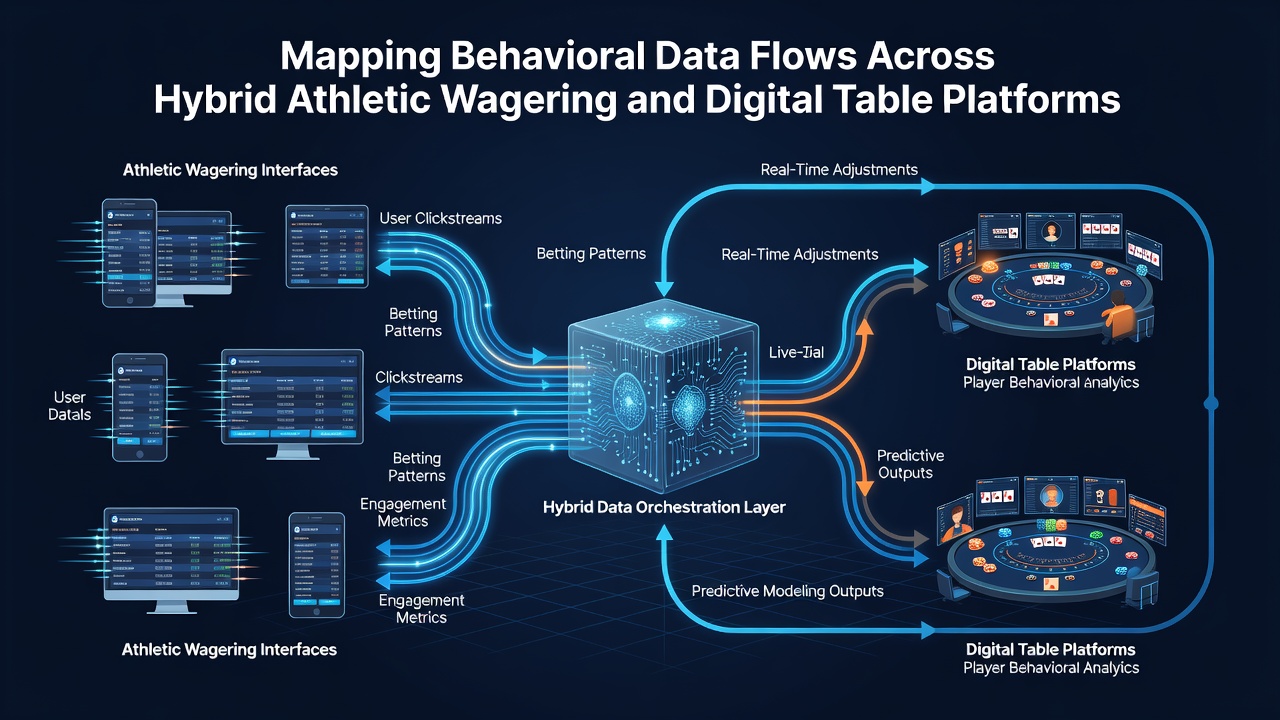
Cross-platform identifiers such as device fingerprints and account tokens enable continuous tracking even when users toggle between native apps and browser versions, and figures from regulatory filings indicate that platforms maintaining unified player accounts across formats report higher retention metrics than those operating separate silos. In regions governed by bodies like the Nevada Gaming Control Board, operators must submit detailed reports on these data architectures to demonstrate compliance with responsible gaming standards that rely on accurate behavioral segmentation.
Analytical Techniques and Pattern Recognition
Machine learning models process the aggregated flows to detect sequences such as repeated deposit attempts after table losses followed by sports bet hedging, and these models improve accuracy when trained on datasets spanning multiple months rather than isolated weeks. Research from European academic consortia shows that users exhibiting high volatility in table game selections tend to favor underdog bets in sports markets during the same sessions, creating identifiable loops that operators can flag for further review.
Network analysis tools map connections between different user cohorts by examining shared deposit patterns and withdrawal frequencies, while temporal clustering highlights peak activity windows around major athletic events that spill over into table game participation. Data indicates that August 2026 saw elevated crossover activity during overlapping international soccer tournaments and online poker series, with transaction logs revealing accelerated movement from live betting interfaces to dealer-hosted tables within single sessions.
Regulatory and Security Considerations
Authorities in multiple jurisdictions require transparent documentation of how behavioral data crosses between athletic and table platforms, and compliance teams use flow diagrams to demonstrate that sensitive information remains segmented according to local statutes. Organizations such as the Canadian Centre for Gaming Research have published guidelines that emphasize the need for clear audit trails when platforms share user activity data across product verticals.
Encryption protocols protect these data streams during transmission between servers, and testing protocols verify that mappings remain intact after system updates or feature additions. Reports from industry trade groups note that platforms investing in unified data architectures encounter fewer discrepancies during external audits compared with those relying on fragmented tracking methods.
Conclusion
Comprehensive mapping of behavioral data flows across hybrid athletic wagering and digital table platforms continues to evolve as operators refine integration techniques and regulatory expectations increase. Accurate representation of these flows supports improved platform design, targeted compliance measures, and deeper understanding of how users navigate combined environments. Future developments will likely incorporate additional data points from emerging technologies while maintaining focus on established patterns already visible in current transaction and session records.