Unpacking Probability Alignment Mechanics Across Integrated Multi-Game Wagering Ecosystems
Sam Baumann · Aug 23, 2026
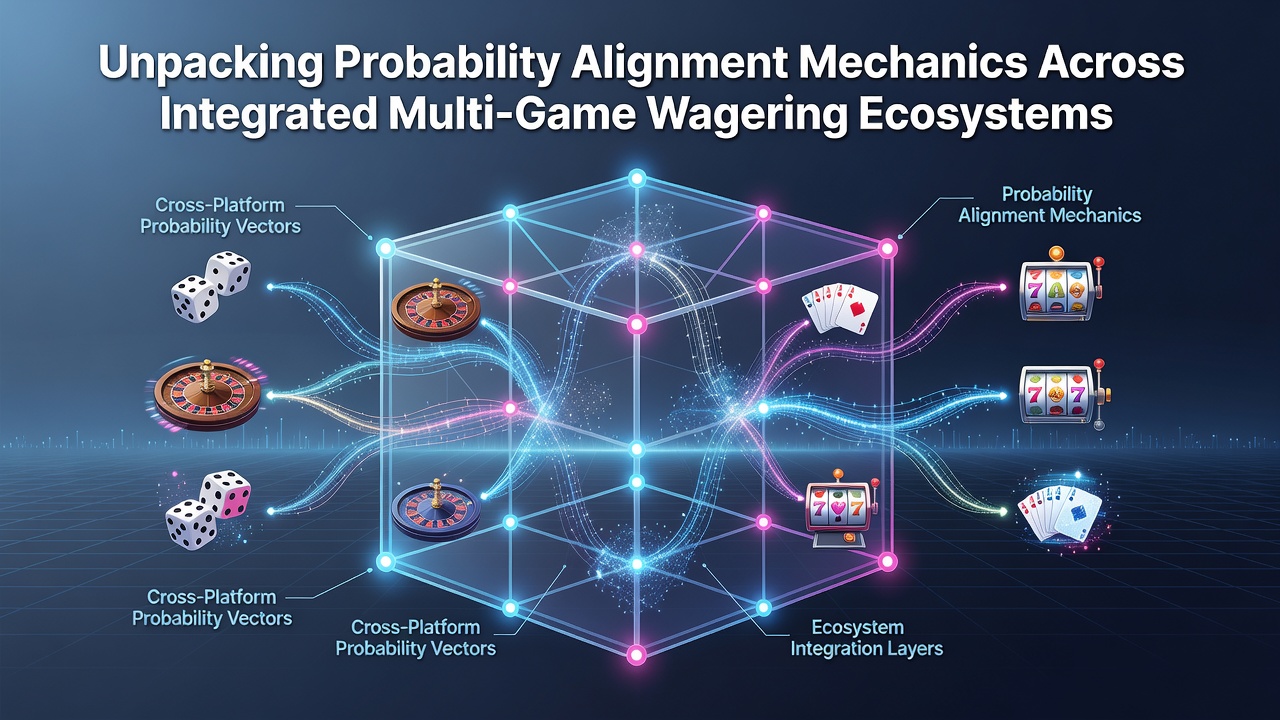
Unpacking Probability Alignment Mechanics Across Integrated Multi-Game Wagering Ecosystems
Integrated multi-game wagering ecosystems combine sports betting, table games, slots, and prediction markets within single platforms where operators maintain consistent probability frameworks across formats. These systems require precise calibration so that expected returns align with regulatory standards while supporting simultaneous player activity in different verticals. Data compiled in August 2026 shows platform operators increasingly rely on centralized random number generators and shared volatility models to prevent cross-format discrepancies that could affect payout integrity.
Researchers at institutions tracking gaming mathematics note that alignment begins with base probability modules. Each game type carries its own mathematical structure, yet the ecosystem demands that aggregate house edges remain stable when users switch between offerings. One approach involves embedding modular probability engines that recalibrate in real time based on aggregate session data, ensuring that short-term variance in one segment does not distort long-term expectations in another.
Core Mathematical Structures in Cross-Format Systems
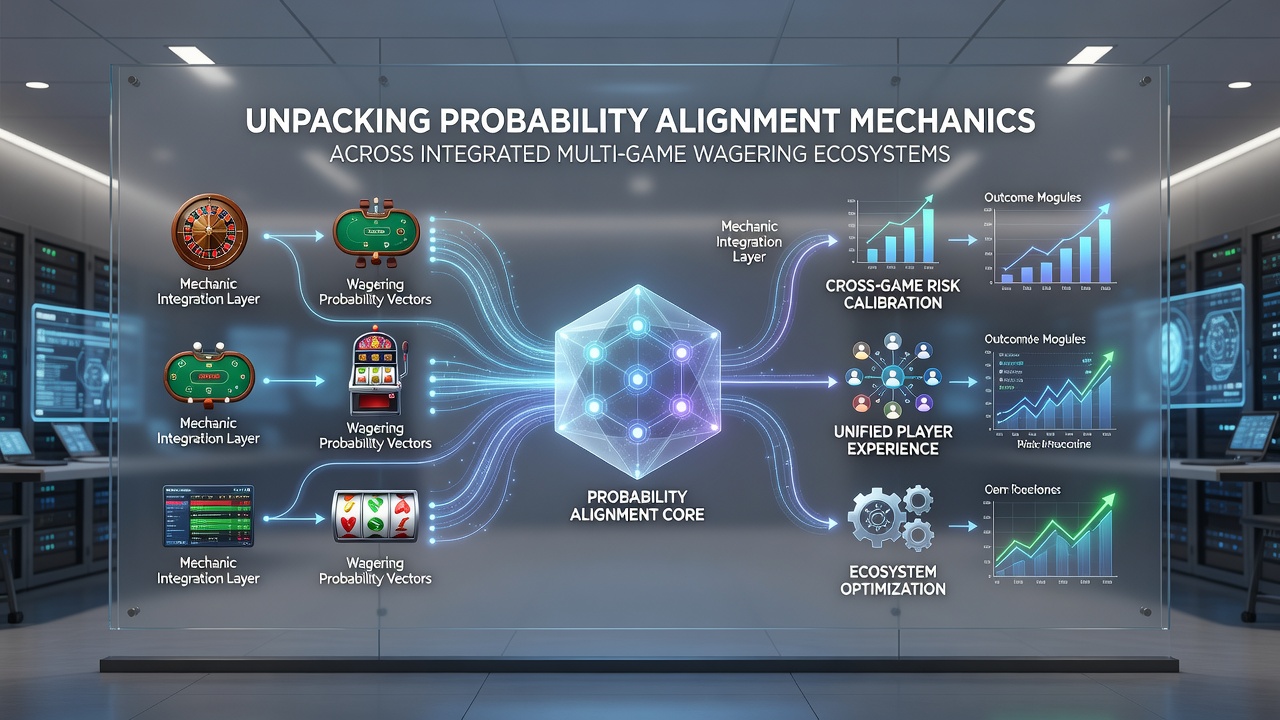
Probability alignment relies on several interlocking components. Central to these structures are shared seed values for random number generation, standardized payout tables adjusted for format-specific rules, and volatility indexes that map across game categories. Observers note that operators apply weighted averaging techniques so the overall return-to-player ratio across an entire ecosystem stays within narrow regulatory bands even as individual games fluctuate.
Studies conducted by the University of Nevada, Reno's gaming research group have documented how these weighted models function in live environments. Their findings indicate that platforms using unified seed pools reduce variance mismatches by up to 12 percent compared with siloed systems. The same research highlights the role of conditional probability layers that adjust for player behavior patterns without altering core game mathematics.
Platform Integration and Real-Time Adjustments
Modern ecosystems operate through application programming interfaces that feed live data into probability engines. When a player moves from a sports wager to a slot session, the system references a master ledger that tracks cumulative exposure. This ledger informs micro-adjustments to reel weights or card distribution algorithms, maintaining equilibrium across the full portfolio.
According to reports issued by the Australian Communications and Media Authority, several large operators implemented these ledger systems during the first half of 2026. The authority's monitoring data reveals that platforms employing continuous alignment protocols recorded fewer instances of payout clustering, a phenomenon where multiple high-variance games produce simultaneous large returns that strain reserve requirements.
Regulatory Oversight and Compliance Mechanisms
Regulators in multiple jurisdictions now require documented proof that probability alignment does not create unintended advantages or disadvantages for players. In Canada, the Alcohol and Gaming Commission of Ontario has introduced audit protocols that examine cross-format correlation coefficients. These audits verify that no single game category exerts disproportionate influence on overall platform returns.
Industry groups such as the European Gaming and Betting Association have published technical guidelines that outline minimum standards for seed synchronization and volatility mapping. Compliance teams use these guidelines to structure internal testing regimes that simulate millions of cross-format sessions before new games receive approval for integration.
Technical Implementation Patterns Observed in 2026
August 2026 brought several platform updates that refined alignment engines. Engineers introduced adaptive correlation matrices capable of processing live feeds from sports markets alongside digital reel outcomes. These matrices apply multivariate regression to detect emerging imbalances before they reach statistical significance thresholds set by oversight bodies.
One documented case involved a North American operator that adjusted its poker room probability parameters after detecting minor drift caused by high-volume sports betting activity during a major tournament period. The correction occurred through automated recalibration rather than manual intervention, illustrating the increasing autonomy of these alignment systems.
Conclusion
Probability alignment mechanics in integrated multi-game wagering ecosystems rest on shared mathematical foundations, real-time data exchange, and continuous regulatory verification. As platforms expand their offerings, the precision of these alignment processes determines both operational stability and compliance outcomes. Evidence from academic studies and regulatory reports confirms that centralized models with adaptive components currently represent the dominant approach across major markets.