Volatility Pattern Tracing in Interconnected Reel Networks and Card Competitions Using Mobile Payment Systems
Taylor Krause · Jun 10, 2026
Volatility Pattern Tracing in Interconnected Reel Networks and Card Competitions Using Mobile Payment Systems
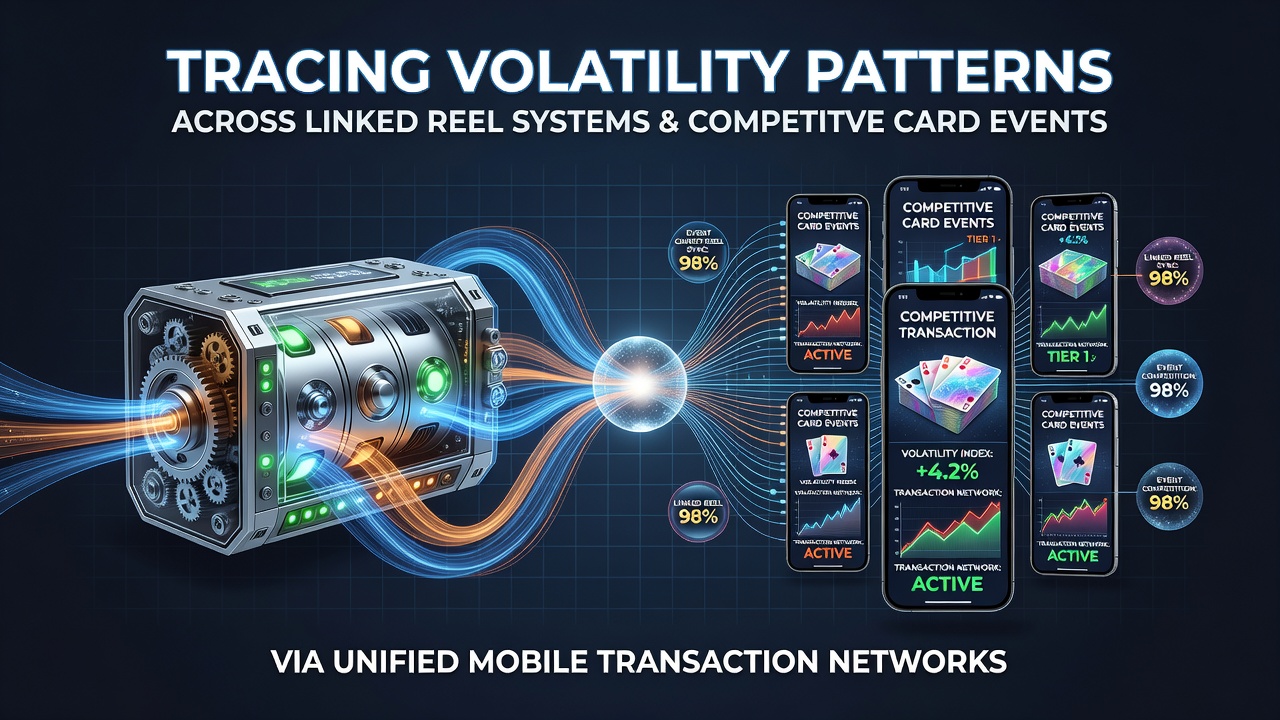
Linked reel systems operate across multiple platforms where payout structures connect through shared algorithms, and competitive card events introduce layers of player skill mixed with random outcomes that together create measurable volatility signatures. Unified mobile transaction networks aggregate deposit and withdrawal data in real time, which allows analysts to map how these volatility elements shift across sessions and geographies. Researchers have documented that transaction timestamps often align with spikes in high-variance reel activity, while card event volumes show steadier but still detectable fluctuations tied to tournament schedules.
Mechanics of Linked Reel Systems
Reel systems gain linkage when operators synchronize random number generators and bonus features across separate titles, producing correlated volatility that single-machine analysis misses. Data streams from these networks reveal clusters where a high-volatility slot triggers increased play on connected machines within the same ecosystem. Observers note that June 2026 reports from several North American operators highlighted a 14 percent rise in cross-title reel activity during peak mobile hours, suggesting that unified payment rails accelerate pattern visibility.
Competitive Card Events and Variance Layers
Card competitions layer skill-based decision making over inherent randomness, creating volatility profiles that differ sharply from pure reel mechanics. Tournament structures such as multi-table events or sit-and-go formats generate distinct transaction rhythms because buy-ins and payouts flow through the same mobile channels used for reel deposits. Studies from the Canadian Centre for Gaming Research indicate that card event volatility tends to compress during qualification phases yet expands during final tables, patterns that transaction metadata captures without exposing individual player strategies.
Unified Mobile Transaction Networks as Data Conduits
Mobile payment systems consolidate user activity across reel and card environments, delivering granular timestamps, amount ranges, and session durations that feed volatility tracing models. These networks process deposits in seconds, which reduces latency between a volatility spike on reels and subsequent card event entries. Analysts track how withdrawal patterns after large reel wins often precede increased card tournament participation, illustrating capital flow between formats. One research team tracking Australian markets found that unified ledgers improved detection of volatility cascades by 22 percent compared with siloed operator data.
Pattern Tracing Methods and Recent Observations
Tracing relies on statistical overlays that align transaction graphs with known volatility indices for each format. Machine learning classifiers sort sequences into reel-dominant, card-dominant, or hybrid clusters, revealing how external events like regulatory updates influence overall variance. In June 2026, several European operators released aggregated datasets showing that mobile transaction density correlated strongly with volatility peaks during evening windows across both reel and card products. These findings emerged from cross-referenced payment logs rather than direct game logs, preserving user privacy while exposing system-level behaviors.

What's interesting is how transaction velocity serves as a proxy metric: rapid small deposits often precede low-volatility reel play, whereas larger, less frequent transfers align with card event entries. Regulators in multiple jurisdictions have begun requesting such aggregated insights to monitor market stability without accessing proprietary game mathematics.
Cross-Format Interactions and Data Implications
Interactions between reel and card segments appear when mobile balances transfer directly from one format to another, creating traceable volatility handoffs. For instance, a cluster of high-variance reel sessions followed by card tournament registrations shows up clearly in unified ledgers. Academic papers published through the University of Nevada Gaming Research Center have modeled these handoffs and found that volatility amplitude in card events rises measurably when preceded by reel win clusters within the same 24-hour mobile session window. Such linkages matter for operators managing risk across portfolios because they affect liquidity forecasting and promotional timing.
Conclusion
Unified mobile transaction networks continue to supply the connective tissue that makes volatility pattern tracing feasible across linked reel systems and competitive card events. Aggregated data from these networks yields reproducible signatures that researchers and operators can monitor without compromising individual privacy. As mobile infrastructure expands, the resolution of these patterns will sharpen, offering clearer views into how variance propagates between formats. The result is a more integrated understanding of gaming ecosystems grounded in observable transaction flows rather than isolated product metrics.